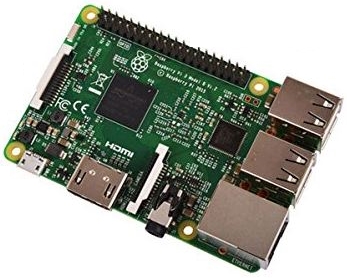
Back in 2006, a group of teachers and academics in the United Kingdom decided to create a low-cost tool that could contribute to the study of computer science and electronics in schools. The idea was essentially to create a mini-computer capable of being used for almost anything: from small independent workstations to the management of more complex electronic circuits.
What Is Raspberry Pi?
To serve these purposes, small dimensions and low power consumption were fundamental requirements. It had to be a compact device with a CPU, network card, graphics card and a few USB ports — the “bare minimum” found in any personal computer, no bigger than a cigarette packet.
This “mini-computer” could be used as a control unit for always-on devices, thanks to its minimal power consumption. Home automation systems, video surveillance, smart home, home servers, electronic circuits for the most varied purposes: anything a computer could be useful for.
The enormous advantage was creating an open standard project where all specifications would be known and usable by anyone, without patents or usage rights. The operating system? Raspbian OS, a fork of Debian created specifically with everything needed to run this small single-board computer at its best.
The Raspberry Pi Foundation
The project was a great success and in 2009 the Raspberry Pi Foundation was established in Caldecote (South Cambridgeshire, UK), with the legal status of a charitable organisation. From that moment the project has grown exponentially, becoming a worldwide reference point for makers, students and electronics enthusiasts.
The Available Models and What You Can Do with Them
Today there are several Raspberry models, all purchasable for a few tens of euros. The projects that use them are extremely varied — and the only limit is truly your imagination. The official website raspberrypi.org collects hundreds of projects and ideas.
Needless to say, you can buy it practically anywhere online. It’s advisable to go for kits, which include all the essential accessories.
Anyone who loves retrogaming, for example, could create a complete mini-console with all possible emulators to put under the television — with minimal expenditure and in very little space — by following the instructions of an already more-than-complete open source project thanks to the online communities. The project is called RetroPie and its results are freely available online. But that will be the subject of another post. 😉