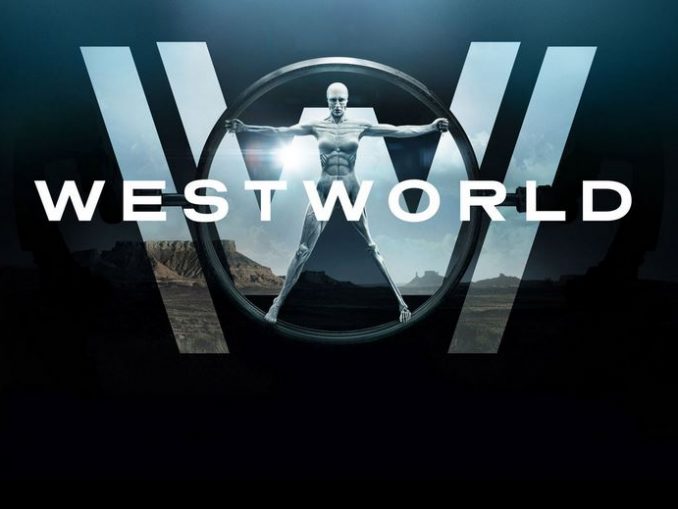
I’ve written more than once about how much I love genre crossovers — a true sign that certain stories still have something to say. Never more so than in this Westworld.
The Idea: From Michael Crichton to HBO
The concept comes from a 1973 film written and directed by Michael Crichton: a vast amusement park for the wealthy, where visitors can live out wild west experiences. Instead of actors and extras, the park is filled with androids — so-called “hosts” — machines so similar to human beings that they can easily be mistaken for them.
The hosts live out their lives automatically but can “improvise” — applying new behaviours to unexpected situations. Visitors insert themselves into pre-built narratives and alter them. At each cycle, everything resets: hosts repaired and returned to their starting positions. Until something starts going differently than planned.
The Cast and Direction
The idea of an out-of-control park was already dear to Crichton before even the dinosaurs of Jurassic Park. But a good idea needs a cast to match: Anthony Hopkins leads the way in the role of the park’s creator, with a magnetic screen presence. He’s followed by Ed Harris as the enigmatic Man in Black, a character that closely echoes the archetype of the nameless gunslinger beloved by classic western cinema. Evan Rachel Wood, Thandiwe Newton and Jeffrey Wright complete a cast of rare depth for a television series.
Why Watch It
Westworld isn’t just science fiction: it’s a reflection on consciousness, free will, the nature of memory and identity. The pacing is excellent, the narrative threads converge at exactly the right moment, and the first season finale is one of those that makes you sad to have reached it — in the best possible sense. The series was confirmed for further seasons; the first remains the most accomplished.